In a world where robots are taking over everything from assembly lines to our homes, right hand robotics is leading the charge with its innovative solutions. Imagine a robot that can not only lend a hand but also make your morning coffee—now that’s a dream worth pursuing! These advanced machines are designed to work alongside humans, enhancing productivity while also keeping things light-hearted and fun.
Overview Of Right Hand Robotics
Right hand robotics refers to automation systems designed to assist humans in various tasks, primarily in work environments. These robotics solutions excel in providing support to employees, enhancing overall operational efficiency.
Many industries invest in right hand robotics to reduce the physical burden on workers. Tasks like repetitive assembly, inventory management, and even food preparation benefit from automation. By incorporating these robotic assistants, workplaces can improve safety and minimize the likelihood of injuries.
Robots designed for specific functions can work alongside humans seamlessly. Collaboration occurs where robotic systems manage mundane or dangerous tasks, allowing employees to focus on complex decision-making. In this way, productivity increases without compromising job satisfaction.
Robot manufacturers create various models tailored to unique work environments. Examples include collaborative robots, or cobots, which are designed to function safely in tandem with human workers. These cobots empower employees by providing enhanced capabilities, making tasks easier and more efficient.
Data showcases the growing acceptance of right hand robotics in business. According to a report, the global robotics market is expected to reach $209 billion by 2022, illustrating a strong trend towards automation. Stakeholders recognize the value of integrating robotics to remain competitive.
Investing in right hand robotics can substantially impact company performance. Not only do these systems boost productivity, but they also foster a dynamic work culture. In a fast-paced world, the transition towards right hand robotics signifies a proactive approach to modernization and innovation.
Key Technologies Behind Right Hand Robotics
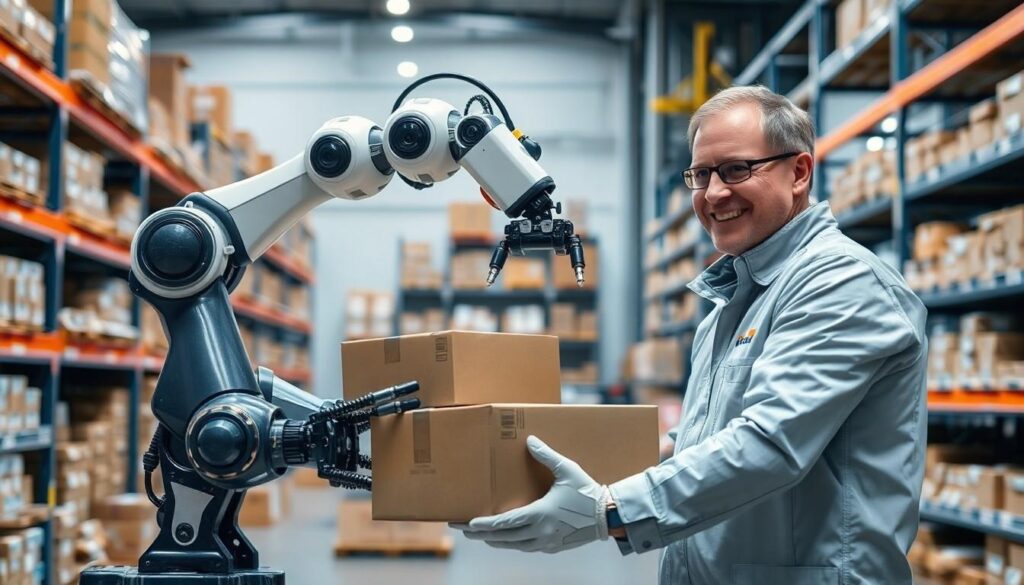
Right hand robotics employs several key technologies to enhance automation and collaboration in various work environments. Understanding these technologies highlights their impact on productivity and safety.
Artificial Intelligence Integration
Artificial intelligence plays a critical role in right hand robotics, enabling machines to learn from interactions and adapt to changing environments. Algorithms analyze data, improving decision-making processes for tasks like inventory management and assembly. Enhanced learning capacity allows robots to optimize workflows based on real-time inputs. They achieve efficiency through pattern recognition, reducing errors while increasing speed. Many companies leverage AI capabilities to tailor functions according to unique workplace needs. Integration of AI continuously evolves as new models enter the market, ensuring a competitive edge in productivity.
Sensor Technologies
Sensor technologies enable right hand robotics to perform with precision in dynamic settings. Variety in sensors, including cameras and tactile sensors, provides critical data on the surrounding environment. These sensors assist robots in recognizing objects and detecting obstacles, enhancing safety during operations. The ability to collect real-time feedback helps robots navigate complex tasks effectively. Integration of force sensors allows for gentle handling of fragile items, minimizing damage. As advances occur, improved sensors increase the responsiveness and reliability of robotic systems across industries, solidifying their role in modern workplaces.
Applications Of Right Hand Robotics
Right hand robotics find extensive applications across multiple industries, significantly enhancing operational efficiency and safety. Their capabilities extend from industrial tasks to healthcare solutions.
Industrial Automation
In industrial settings, right hand robotics streamline production processes. These robots handle repetitive tasks like assembly and inventory management, allowing human operators to focus on strategic decision-making. Furthermore, they reduce physical strain on workers, thereby minimizing injury risks. Many factories are implementing collaborative robots, or cobots, which work alongside employees without compromising safety. These robots contribute to increased productivity and improved job satisfaction, making them invaluable assets in modern manufacturing environments.
Healthcare Solutions
In healthcare, right hand robotics support a variety of tasks to improve patient care. These robots assist in surgeries, enhancing precision and reducing recovery times. Nurses benefit from robotic systems that help manage medication and patient monitoring, allowing them to dedicate more time to direct patient interaction. Automation in laboratories streamlines sample processing and testing, ensuring faster diagnosis. The integration of robotics in healthcare not only increases efficiency but also bolsters the overall quality of care provided to patients.
Benefits And Challenges
Right hand robotics present unique benefits and challenges in today’s automated landscape. The potential for increased productivity comes with important considerations.
Enhanced Efficiency
Operational efficiency improves significantly with the integration of right hand robotics. Tasks requiring precision and repetition can be managed by robots, freeing human workers to engage in more strategic functions. Companies can expect reduced production times and minimized errors, leading to higher output rates. Robotics facilitate smoother workflow transitions, allowing teams to respond to changes in demand swiftly. Enhanced data collection from robotic devices also supports informed decision-making, helping to identify further areas for improvement.
Ethical Considerations
Ethical dilemmas accompany the rise of right hand robotics. Job displacement remains a significant concern, as automation can lead to reduced employment opportunities. Companies may prioritize cost savings over employee welfare, leading to potential workforce alienation. Transparent communication is essential as firms adopt these technologies, ensuring workers understand their roles alongside automated systems. Questions regarding accountability in robotic decision-making processes arise, necessitating discussions about ethical guidelines. Engaging stakeholders in these conversations can foster a more equitable approach to technological advancement.
Future Trends In Right Hand Robotics
Advancements in right hand robotics will shape numerous industries significantly. Emerging technologies, including machine learning and enhanced sensor capabilities, push the boundaries of automation. New algorithms improve collaborative robots’ ability to work safely alongside human workers. Close integration of artificial intelligence allows robots to learn from their environment, adjusting to changes in real time.
In healthcare, robotics continues to evolve rapidly. Surgeons increasingly rely on robotic assistants for precision during complex procedures. Efficiency gains lead to better patient outcomes and shorter recovery times, highlighting the importance of right hand robotics in medical settings. Automated systems enhance laboratory workflows, reducing human error and increasing accuracy.
Manufacturers report a noticeable increase in productivity due to robotics adoption. A recent survey indicates 60% of companies experience a positive return on investment within the first year. Industries are witnessing fewer workplace injuries as robots take over hazardous tasks, promoting a safer environment for employees.
Sustainability also drives future trends. Robotic solutions increasingly support energy-efficient practices, from reducing waste during manufacturing processes to minimizing resource consumption. Innovations in robotics are likely to focus on developing eco-friendly machines that comply with environmental standards.
As businesses automate routine tasks, the workforce adapts. Organizations emphasize reskilling employees to work effectively with robots. Cultural shifts in workplaces encourage collaboration between humans and robots, fostering a harmonious coexistence.
Investment in research and development grows as companies recognize the potential of right hand robotics. The global market’s projected growth to $209 billion reflects this trend, underscoring the critical role of robotics in shaping the future of work.
Right hand robotics is transforming the landscape of modern workplaces by enhancing productivity and fostering collaboration. As industries embrace automation, these robots are proving invaluable in managing repetitive and hazardous tasks, allowing human workers to focus on more complex challenges.
The integration of AI and advanced sensor technologies ensures that these robotic systems remain responsive and efficient. This evolution not only boosts operational performance but also contributes to a safer work environment.
Looking ahead, the ongoing advancements in robotics promise even greater benefits, making it essential for businesses to adapt and invest in these innovative solutions. The future of work is bright with right hand robotics at the forefront, driving efficiency and redefining human-robot collaboration.