Nepalkrigare, or the Nepali warriors, hold a significant place in history, renowned for their bravery and valor. Originating from the rugged terrains of Nepal, these warriors have played pivotal roles in various conflicts, both within their homeland and abroad. Their unique fighting spirit and unwavering loyalty have earned them a reputation that transcends borders.
Throughout the years, Nepalkrigare have been celebrated not just for their martial skills but also for their rich cultural heritage. Their stories of heroism are woven into the fabric of Nepal’s identity, showcasing a blend of tradition and resilience. As the world evolves, the legacy of these warriors continues to inspire new generations, making them an enduring symbol of strength and courage.
Overview of Nepalkrigare
Nepalkrigare, or Nepali warriors, represent a legacy marked by honor, strength, and resilience. These warriors, often hailing from the hill regions of Nepal, possess a distinct fighting spirit that has been instrumental in various historical conflicts. Their exceptional military skills, combined with deep-rooted loyalty to their comrades and homeland, have earned them an esteemed reputation both locally and globally.
Historically, Nepalkrigare have participated in numerous battles, showcasing unparalleled bravery, especially during the military campaigns of the British Empire in the 19th century. Their involvement in the Anglo-Nepalese War (1814–1816) notably solidified their status, as they displayed formidable tactics and combat prowess against more extensive forces.
Additionally, the cultural heritage surrounding the Nepalkrigare includes folk tales, songs, and traditions celebrating their heroism. These narratives often reflect themes of sacrifice and valor, contributing to a shared national identity that honors their contributions. From the Gorkha soldiers in colonial armies to modern-day representations, their legacy continues to inspire present and future generations, embodying the essence of courage and dedication.
The enduring influence of Nepalkrigare serves as a reminder of Nepal’s rich historical tapestry, where valor and commitment transcend time, maintaining a vital place within the nation’s collective memory.
Historical Context
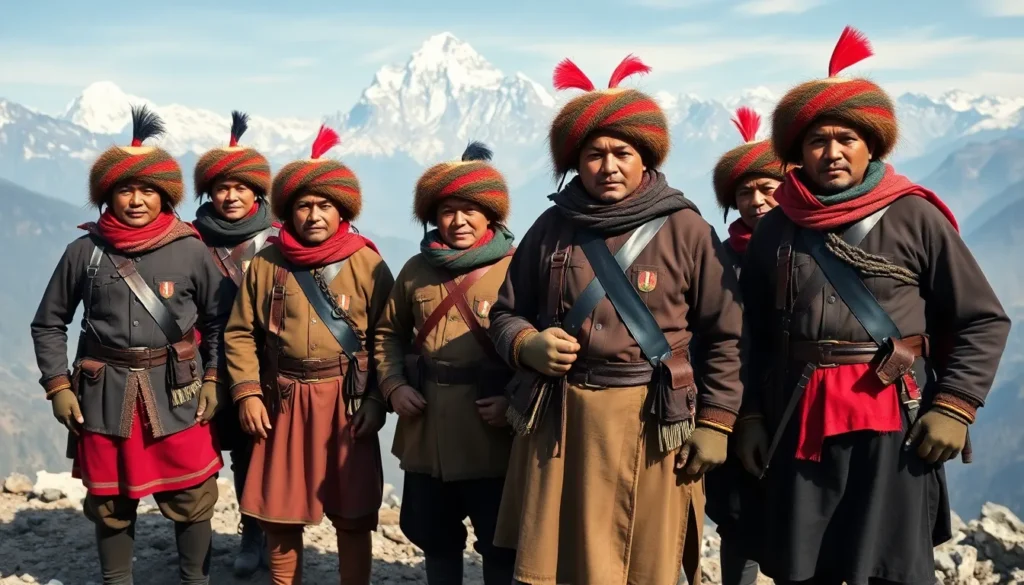
Nepalkrigare, or Nepali warriors, have a storied past that underscores their significance in Nepal’s history. This section explores their emergence and highlights key events that defined their legacy.
The Emergence of Nepalkrigare
Nepalkrigare emerged in the context of Nepal’s diverse ethnic and cultural landscapes. The development of these warriors traces back to the unification of Nepal in the 18th century under King Prithvi Narayan Shah. Fierce loyalty to the kingdom motivated various ethnic groups, particularly the Gurkhas, to join the military ranks. Their unique fighting methods, honed through survival in harsh mountain terrains, established a formidable reputation. Historical records emphasize that Nepalkrigare relied on their agility and resilience, often engaging larger enemy forces with strategic cunning.
Key Events and Milestones
Several key events shaped the history of Nepalkrigare, marking their rise and impact in warfare:
| Year | Event |
|---|---|
| 1814-1816 | Anglo-Nepalese War: Nepalkrigare fought against British forces, demonstrating bravery and effective military strategies. |
| 1857 | Indian Rebellion: Nepali troops, fighting for the British, gained recognition for their valor, leading to recruitment in the British Indian Army. |
| 1947 | Post World War II: Nepalkrigare played a crucial role in securing Nepal’s borders and foreign relations. |
| 2015 | Earthquake Response: Nepalkrigare showcased their commitment and bravery during humanitarian efforts following the devastating earthquake, reaffirming their relevance in modern times. |
Nepalkrigare’s historical involvements illustrate their enduring legacy as symbols of bravery and cultural pride in Nepal. Each event highlights not only their military prowess but also their role as protectors and contributors to the nation’s identity.
Cultural Significance
Nepalkrigare, or Nepali warriors, hold a profound cultural significance in Nepal, deeply influencing art, society, and national identity. Their legacy continues to resonate, reflecting themes of valor, loyalty, and sacrifice.
Artistic Representations
Artistic representations of Nepalkrigare can be found in various forms, including paintings, sculptures, and traditional crafts. Artists often depict these warriors in heroic poses, showcasing their distinctive attire and weaponry. Folk tales and songs narrate their feats, preserving stories that celebrate their bravery. Festivals frequently feature performances that embody their spirit, highlighting dance and drama inspired by historical battles. These artistic expressions connect generations, instilling pride and reverence for Nepalkrigare as timeless symbols of strength.
Impact on Society
The impact of Nepalkrigare on society is evident in the ongoing recognition of their contributions to Nepal’s heritage. They inspire a strong sense of national identity, fostering unity across diverse ethnic groups. Educational programs in schools incorporate their stories, teaching values of courage and resilience. Communities honor fallen warriors through commemorations and memorials, ensuring their sacrifices are never forgotten. Nepalkrigare serve as role models, reinforcing ideals of loyalty, bravery, and community service in contemporary Nepal, thereby continuing to shape the nation’s cultural landscape.
Current Relevance
Nepalkrigare maintain significant relevance in contemporary society, reflecting their historical valor and enduring cultural legacy. Their stories inspire national pride and influence various realms, including military, art, and community values.
Nepalkrigare in Modern Discourse
Nepalkrigare frequently appear in discussions about national identity and resilience in Nepal. They symbolize bravery and loyalty, serving as a point of reference during debates on patriotism and military service. Public figures often invoke their legacy in speeches and national events, reinforcing ideals of commitment and sacrifice. Additionally, social media platforms highlight heroic tales of Nepalkrigare, helping to keep their stories alive among younger generations. Educational initiatives also incorporate their narratives, promoting values of courage and service in schools, further embedding their significance in modern dialogue.
Continued Legacy
The legacy of Nepalkrigare continues to thrive through various cultural expressions. Memorials and monuments dedicated to these warriors serve as tangible reminders of their sacrifices. Cultural festivals often reenact historical battles, celebrating the fighting spirit of Nepalkrigare. Literary works, including novels and poems, enrich their narratives, ensuring their stories resonate on multiple levels. Furthermore, the military tradition of the Gurkhas, widely recognized globally, emphasizes the ongoing impact of Nepalkrigare on modern military practices. Their influence is evident in Nepal’s national policies that promote pride in heritage and valorize contributions made by past generations, solidifying their role as icons of national identity.
The legacy of Nepalkrigare transcends time and continues to shape Nepal’s national identity. Their bravery and loyalty not only define their historical significance but also inspire modern generations. Through cultural expressions and educational initiatives, their stories of valor remain alive, fostering a strong sense of pride among the people. As symbols of resilience and courage, Nepalkrigare serve as a reminder of the sacrifices made for the nation. Their influence is woven into the fabric of Nepalese society, ensuring that their contributions to history and culture are honored and remembered.