When daylight saving time rolls around, most people scramble to adjust their clocks and schedules, but what about the art of “uhrenunstellung”? This quirky German term translates to “clock adjustment,” and it’s more than just a twice-a-year chore; it’s a rite of passage that tests one’s time management skills and patience.
Overview of Uhrenunstellung
Uhrenunstellung signifies the practice of adjusting clocks for daylight saving time. This adjustment occurs twice a year, impacting numerous individuals across various regions. Many find this transition challenging due to the time shifts involved, either gaining or losing an hour.
Adjustments typically involve setting clocks forward in spring and back in fall. Clocks officially move forward one hour on the last Sunday in March. Conversely, on the last Sunday in October, clocks revert to standard time. These changes aim to optimize daylight utilization and energy consumption.
Understanding uhrenunstellung helps individuals manage their schedules effectively. Clocks that aren’t adjusted may lead to missed appointments or confusion regarding time-sensitive commitments. Individuals can avoid disruptions by proactively preparing for these time changes.
Organizers of the uhrenunstellung often emphasize its importance for safety and productivity. The shift impacts various sectors, including transportation, healthcare, and education, where precise timing is crucial. Adjusting schedules enables smooth operations and minimizes potential risks associated with incorrect timekeeping.
Studies show that daylight saving time can influence sleep patterns. Disruption in sleep can lead to short-term health effects, such as fatigue and decreased concentration. Awareness of uhrenunstellung fosters adjustments that can mitigate these impacts.
The importance of uhrenunstellung extends beyond mere clock adjustments. It serves as a reminder of the relevance of time management in everyday life, prompting individuals to stay organized and aware of their schedules.
Importance of Uhrenunstellung
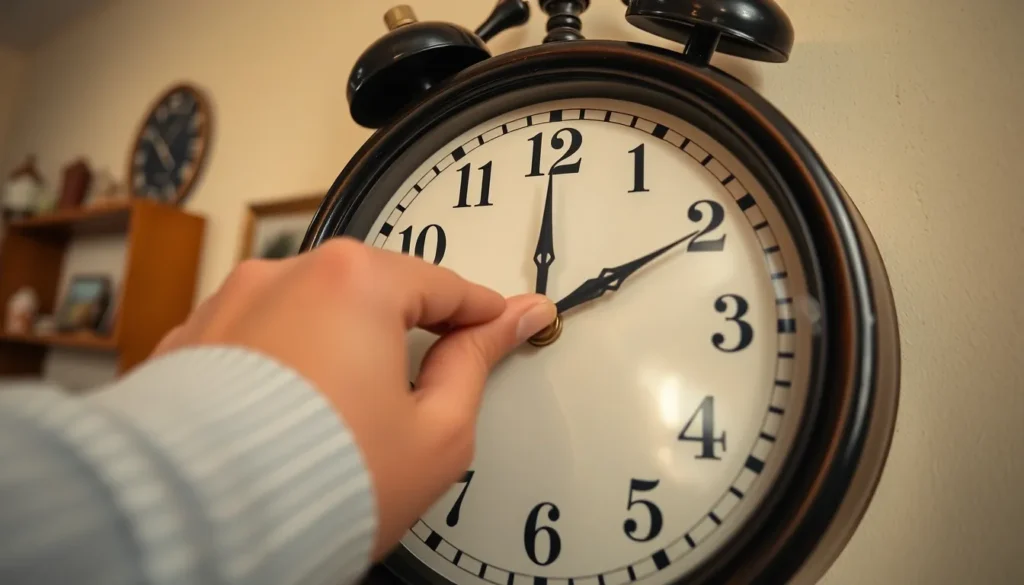
Uhrenunstellung plays a crucial role in maintaining time accuracy and understanding historical practices. This clock adjustment practice directly influences daily operations, impacting punctuality and overall productivity.
Time Accuracy
Time accuracy significantly hinges on proper uhrenunstellung. Misalignment of clocks can lead to confusion, missed appointments, and scheduling conflicts. Individuals using public transport, for instance, rely on precise timings. In sectors like healthcare, mistakes due to inaccurate clock settings can have serious consequences. Frequent adjustments ensure synchronization with standardized time, contributing to smoother daily activities. When clocks spring forward in March and fall back in October, individuals must remain vigilant for greater punctuality.
Historical Context
Understanding the historical context of uhrenunstellung enriches its significance. The practice dates back to World War I when energy conservation became critical. Countries adopted daylight saving time to make better use of daylight hours and conserve energy. Over time, many regions embraced this practice for various benefits, including reduced energy usage and enhanced productivity. Knowledge of its origins fosters appreciation for how uhrenunstellung continues to shape modern time management strategies.
Different Methods of Uhrenunstellung
Adjusting clocks can happen through various methods, ensuring that time remains accurate throughout the year. Individuals often employ manual or automatic adjustments based on their clock types.
Manual Adjustments
Manual adjustments require individuals to physically change the time on their clocks. Users need to remember to spring forward one hour in March and fall back one hour in October. This method proves straightforward for traditional analog clocks. Owners simply locate the adjustment knob and rotate it accordingly. Care must be taken when resetting digital clocks, which may involve using buttons to navigate the settings. Many people find this hands-on approach offers a moment to reflect on their time management practices. Setting reminders in advance can prevent missed adjustments, leading to smoother transitions during daylight saving time.
Automatic Adjustments
Automatic adjustments simplify the process for many individuals. Modern clocks, including smart devices and digital alarm clocks, often feature built-in technology for automatic time changes. Devices synchronize with established time servers, ensuring accurate timekeeping without user intervention. This method significantly reduces human error associated with manual adjustments. Many people appreciate the convenience, especially in an increasingly digital world. Compatibility with multiple platforms allows for a unified time system across all devices, enhancing overall organization. Automatic adjustments can minimize confusion, making springing forward or falling back a seamless process for users.
Common Challenges with Uhrenunstellung
Adjusting clocks during uhrenunstellung presents various challenges for many individuals. One significant issue involves the confusion that arises from differing adjustment dates across regions. Some locations observe daylight saving time while others do not, leading to discrepancies in scheduling and coordination.
Individuals frequently forget to change their clocks altogether, often resulting in missed appointments and disrupted routines. Many people find that adjusting to the time change takes several days, which can further exacerbate difficulties in time management. This adjustment period can also affect sleep quality, causing fatigue and reduced concentration during daily activities.
Technology complicates matters, as not all devices update automatically. While modern smartphones and computers often synchronize with time servers, traditional clocks or older devices require manual intervention. Such inconsistencies can create confusion when individuals rely on multiple timekeeping devices.
For those in critical sectors like healthcare or transportation, the repercussions of poor adjustments can be severe. Scheduling errors caused by time mismanagement may jeopardize patient care or result in missed connections for transport services. Therefore, professionals in these fields often emphasize the need for precise timekeeping during uhrenunstellung.
To further mitigate these challenges, individuals can adopt practices that enhance awareness. Setting reminders before the time change can help ensure clocks are adjusted promptly. Organizing schedules around the transition period allows for smoother adaptations to the new time.
Best Practices for Uhrenunstellung
Ensuring accurate time adjustment during uhrenunstellung requires a few best practices. First, setting reminders a week before the time change becomes essential. This approach helps individuals prepare and avoids last-minute confusion. Furthermore, using digital calendars with built-in reminders can simplify the process significantly.
Checking each device for automatic updates is critical. Many smartphones, computers, and smart appliances adjust time automatically, but not all devices have this feature. Individuals should verify settings, especially on clocks that require manual adjustments. Additionally, keeping a separate checklist can aid in ensuring that no clock is overlooked.
Engaging with community resources can increase awareness of time changes. Local authorities often provide updates and reminders, making it easier to stay informed. Moreover, organizing schedules around the adjustment period enhances efficiency. This method allows for flexibility, helping to avoid missed appointments.
Staying aware of time zone differences remains vital. Regions may not follow the same adjustment dates, which can lead to confusion. Synchronizing schedules with family, friends, and colleagues ensures everyone is on the same page.
Understanding the potential health effects also plays an important role. Uhrenunstellung can disrupt sleep patterns, leading to fatigue. Adjusting sleep schedules a few days before the change can help mitigate these effects. It becomes wise for individuals to gradually shift their bedtime to align with the new time.
Lastly, considering using reminders on various platforms proves beneficial. Apps and smart devices can send alerts prior to the adjustments, coordinating impacts on daily routines. Stress decreases significantly when individuals implement these best practices effectively.
Uhrenunstellung serves as a vital reminder of the importance of time management in daily life. Its impact goes beyond simply adjusting clocks; it influences schedules and routines across various sectors. By understanding the nuances of this practice and implementing best practices, individuals can navigate the transition smoothly and minimize disruptions.
Awareness of potential challenges associated with uhrenunstellung can lead to better preparedness. With the right strategies in place, such as setting reminders and utilizing technology, adapting to time changes becomes less daunting. Ultimately, staying organized and informed ensures that everyone can make the most of daylight saving time while maintaining productivity and well-being.