In a world where robots are no longer just the stuff of sci-fi movies, blueprint robotics is leading the charge into the future of construction. Imagine a robot that can draft, design, and even build your dream home while you kick back with a cup of coffee. Sounds like magic, right? Well, it’s not. It’s the innovative power of blueprint robotics making waves in the industry.
These high-tech marvels aren’t just here to impress—they’re revolutionizing how structures come to life. By combining precision engineering with smart technology, blueprint robotics is turning the construction process on its head. No more miscalculations or wasted materials. Just efficient, accurate building that even your grandma would approve of. Get ready to discover how these robots are reshaping our skylines and redefining what’s possible in the world of architecture.
Overview of Blueprint Robotics
Blueprint robotics represents a significant innovation in the construction sector. These robots utilize advanced algorithms and smart technology to streamline the design and building processes. Efficiency stands out as a primary benefit, allowing for faster project completions.
Integrating automation reduces human error during drafting and building phases. Miscalculations, which commonly cause delays, get minimized due to precise programming. Robots manage material usage exceptionally, cutting down on waste and ensuring that resources aren’t squandered.
Moreover, the implementation of blueprint robotics enhances collaboration among construction teams. Architects and engineers benefit from accurate 3D models, facilitating informed decision-making. Intelligent systems create opportunities for real-time adjustments, vital for adapting to on-site challenges.
Various companies in the construction industry now incorporate these innovative robots. Cutting-edge firms leverage blueprint robotics to redefine project timelines, improving overall productivity. Client satisfaction grows as expectations for quality and timelines get consistently met.
Blueprint robotics also paves the way for sustainable building practices. Reduced waste contributes to greener construction methods, aligning with contemporary environmental standards. As the technology advances, integration becomes more seamless, driving future innovations in urban design.
Significantly, the ability of these robots to collaborate with existing systems indicates their versatility. As construction needs evolve, so too will the capabilities of blueprint robotics, ensuring they remain at the forefront of industry advancements.
Key Features of Blueprint Robotics
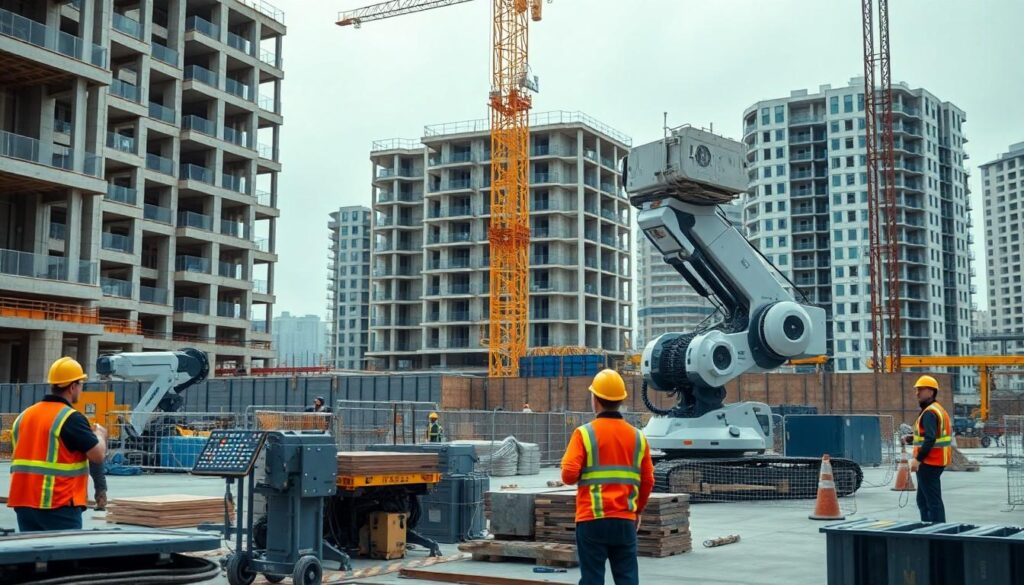
Blueprint robotics incorporates features that significantly enhance the construction process. This innovative technology and customization options make it a game-changer in the industry.
Innovative Technology
Cutting-edge algorithms drive blueprint robotics, enabling precision in every design and build process. Smart technologies facilitate real-time adjustments, ensuring accurate measurements and reducing human error. High-performance sensors continuously monitor construction activities, enhancing safety on job sites. Automation in material handling streamlines workflows, significantly reducing project timelines. Accessible data analytics tools provide insights into performance, further optimizing operations. These technological advancements create a more efficient and reliable building environment.
Customization Options
Versatile design capabilities allow blueprint robotics to cater to specific project requirements. Users can easily adapt the software for various architectural styles and preferences. Modular components enable quick customization, supporting unique designs without compromising efficiency. Clients can visualize potential adjustments through state-of-the-art 3D modeling. This flexibility ensures that builders meet individual client specifications effectively. Diverse material handling options allow for integrating sustainable resources into projects, aligning with contemporary construction standards. Overall, customization options empower teams to achieve their vision while maintaining efficiency.
Benefits of Using Blueprint Robotics
Blueprint robotics offers significant advantages for the construction industry, particularly in efficiency and cost management.
Efficiency and Precision
Efficiency in blueprint robotics transforms how projects are completed. Robots perform tasks with remarkable precision, reducing the likelihood of errors. With advanced algorithms, they optimize workflows, ensuring timely delivery of projects. This automation eliminates repetitive manual tasks, enabling human workers to focus on more complex activities. Enhanced measurement accuracy leads to less material waste, contributing to sustainable building practices. Collaborating with 3D models allows teams to visualize construction processes, making real-time adjustments easy. Therefore, the integration of blueprint robotics leads to a streamlined construction experience.
Cost-Effectiveness
Cost-effectiveness stands out as a crucial benefit of adopting blueprint robotics. These advanced systems reduce labor costs by automating various tasks that traditionally required multiple workers. Additionally, the significant decrease in material waste directly lowers expenses, maximizing resource utilization. By enhancing project timelines, companies can take on more jobs, generating increased revenue. Clients see value in upfront investments with the potential for long-term savings. Analytics offered by blueprint robotics provide insights that support informed budgeting decisions. As a result, the financial advantages make blueprint robotics an attractive option for modern construction projects.
Case Studies of Blueprint Robotics
Blueprint robotics demonstrates significant advancements across various projects, showcasing innovative applications in the construction industry. This section focuses on notable success stories and diverse industry applications.
Success Stories
One remarkable example involves the construction of a multi-family housing unit in Boston. This project showcased how blueprint robotics minimized waste and optimized resource usage, resulting in a 20% reduction in costs. Another success story features a school building project in California, where advanced robotics facilitated on-time delivery and exceptional precision. Clients reported satisfaction with the efficient workflow, highlighting how these robotics provided consistent quality throughout the process.
Industry Applications
Blueprint robotics finds utility across several sectors. Residential construction represents one important application, allowing for quick home builds with tailored designs. Commercial projects also benefit significantly, where efficiency translates to rapid project completions. Educational facilities utilize these technologies to create dynamic learning environments that adapt to current standards. Furthermore, infrastructure development leverages automation to construct complex structures more safely and effectively. Each application showcases the versatility and transformative potential of blueprint robotics in modern construction practices.
Comparison with Competitors
Blueprint robotics stands out in the construction industry due to its advanced automation technologies. Other competitors like traditional construction methods often struggle with inefficiency, leading to increased costs and delays. Its capacity for real-time adjustments sets blueprint robotics apart, allowing projects to adapt dynamically to unforeseen challenges.
Competitor robots may not offer the same level of precision, which results in regular miscalculations. The integration of smart technology in blueprint robotics minimizes material waste significantly, a key advantage over less advanced solutions. Also, precise measurements are critical, and blueprint robotics utilizes high-performance sensors to optimize safety, enhancing job site conditions.
Furthermore, the customization options available with blueprint robotics enable unique designs, catering to various architectural styles. Other companies face limitations regarding design versatility, which can restrict innovation. Accessible data analytics tools play a crucial role in optimizing operations, giving blueprint robotics a competitive edge.
Case studies illustrate its effectiveness compared to competitors. A project in Boston achieved a 20% cost reduction, showcasing the tangible benefits of using blueprint robotics over conventional approaches. Additionally, its success in residential and commercial applications highlights its transformative potential in modern construction.
While various automated solutions exist, blueprint robotics remains at the forefront by reducing labor costs and enhancing productivity. This allows human workers to focus on more complex tasks, further differentiating it from competitors. Sustainable building practices aligned with contemporary environmental standards solidify blueprint robotics’ position as an industry leader. Overall, these factors affirm its significant advantage in a rapidly evolving construction landscape.
The emergence of blueprint robotics marks a pivotal shift in the construction industry. By harnessing advanced technology and automation, these robots not only enhance efficiency but also promote sustainability. Their ability to minimize waste and reduce costs positions them as essential tools for modern builders.
As the construction landscape continues to evolve, blueprint robotics will likely play a vital role in shaping future projects. With their precision and adaptability, they enable architects and builders to realize innovative designs while maintaining high standards of quality. The integration of these robots signifies a promising future for construction, where efficiency and creativity go hand in hand.